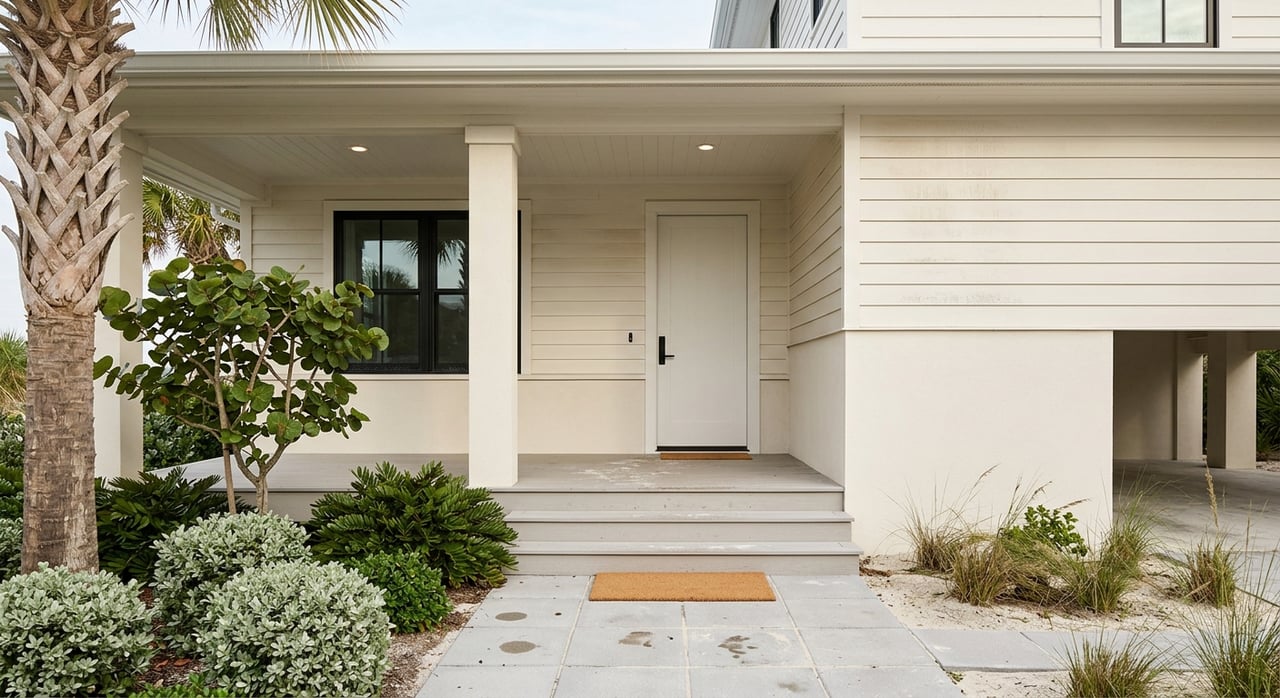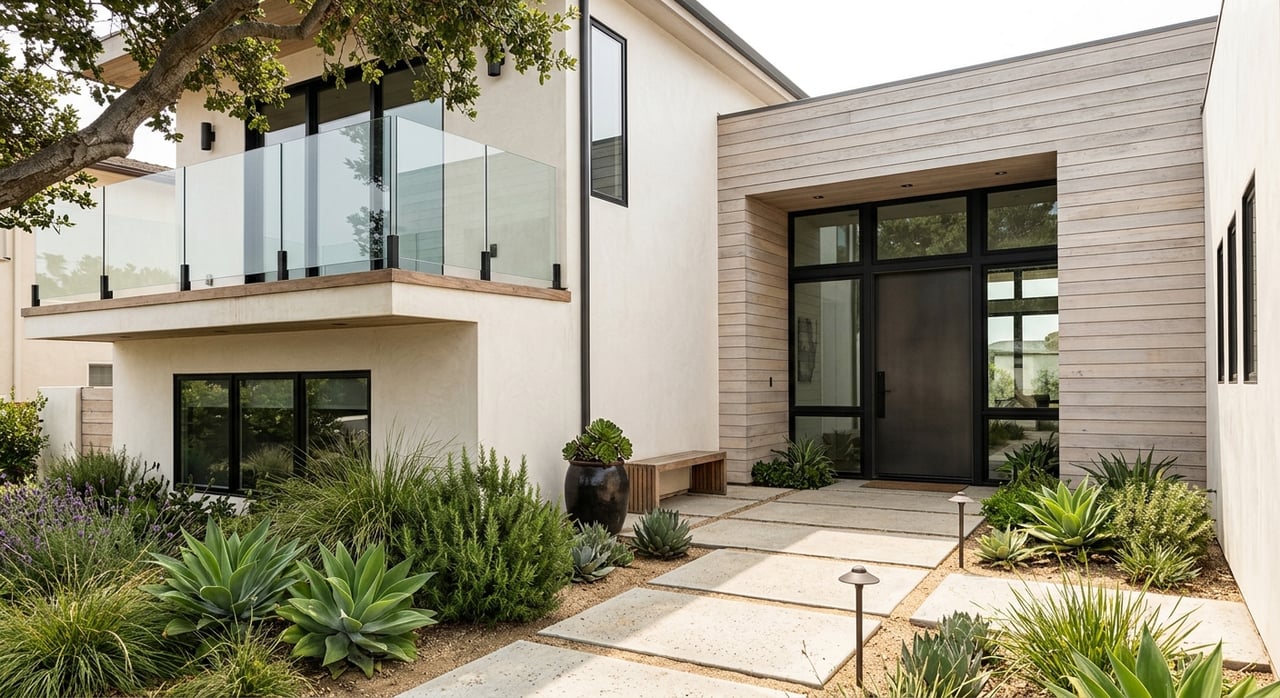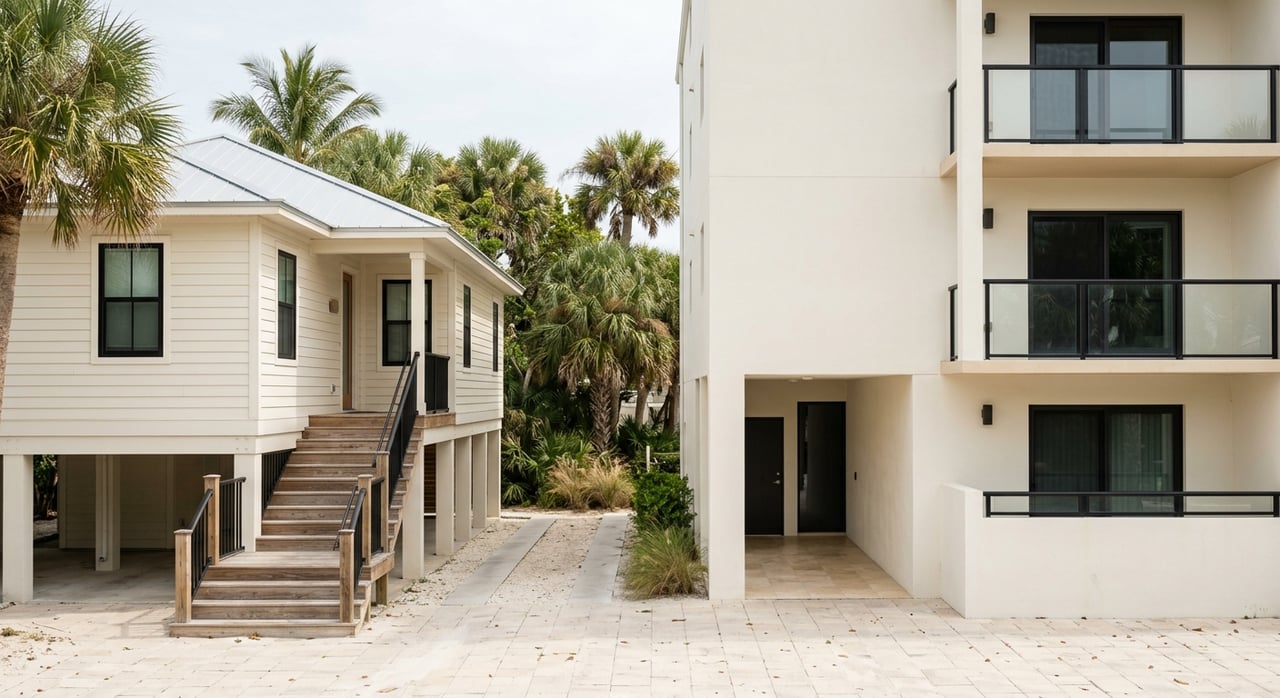
Trying to choose between a beach house and a condo on 30A can feel simple at first, until you realize how much your day-to-day lifestyle changes with that decision. You may be dreaming about easy beach mornings, rental income, more privacy, or a place you can lock up and leave without much worry. The right fit depends less on what sounds impressive and more on how you want to live, use, and manage the property. Let’s break it down.
Why 30A Feels Different
Scenic Highway 30A is not one single town. It is a coastal corridor in Walton County made up of distinct beach communities like Rosemary Beach, Alys Beach, WaterSound, Seaside, Santa Rosa Beach, Seagrove, and WaterColor.
That matters because a house-versus-condo decision on 30A is also a location decision. Your experience can change a lot from one neighborhood to the next depending on beach access, parking, walkability, and how close you are to the Timpoochee Trail.
The Timpoochee Trail connects beach neighborhoods, state parks, the state forest, and coastal dune lakes. If you picture yourself biking, walking, and spending more time out than in, your exact location may shape your daily routine just as much as the property type itself.
Public beach access also varies block by block in Walton County. Some access points offer parking, restrooms, and ADA features, while others do not have parking at all, so the exact address matters when comparing convenience.
Beach House vs Condo: The Core Difference
At the highest level, a beach house gives you more direct control, while a condo gives you a more shared, managed ownership experience. Neither one is automatically better. The better choice is the one that matches your priorities.
A beach house often appeals to buyers who want more privacy, more outdoor space, and more freedom in how the property looks and functions. A condo often appeals to buyers who want a simpler, more lock-and-leave setup with less direct responsibility for exterior upkeep.
The trade-off is straightforward. With a house, you usually gain independence but take on more maintenance yourself. With a condo, some of that burden shifts to the association, but you become part of a shared financial and governance structure.
When a Beach House Makes More Sense
A beach house on 30A may fit you best if you want your property to feel like a private retreat. That can mean outdoor entertaining space, more separation from neighbors, and more control over how you use the home.
It can also be a better fit if personal use matters more to you than pure convenience. Many second-home buyers prefer a house when they want space to gather with family and guests or simply want a more independent ownership experience.
What You Control With a House
With a freestanding home, you are generally making more of the decisions yourself. That often includes:
- Exterior maintenance
- Lawn and landscape care
- Roof planning
- Gutter cleaning
- Appliance upkeep
- Insurance management
For some buyers, that control is a major advantage. For others, it becomes a time commitment they would rather avoid.
What to Expect in Walton County
In Walton County, detached-home buyers who are building or rebuilding may also face lot-specific review issues. These can include setbacks, flood-zone requirements, stormwater management, foundation type, and finish-floor elevation.
That does not mean a house is the harder choice in every case. It means the details of the lot and the structure matter, especially in a coastal setting where parcel-specific conditions can shape both cost and long-term planning.
When a Condo Makes More Sense
A condo on 30A may be the stronger fit if you want a beach base that feels more turnkey. If your goal is to arrive, enjoy the area, and spend less time managing the exterior of the property, condo ownership can align well with that lifestyle.
This option often appeals to buyers who value walkability, biking access, and proximity to beach neighborhoods more than private yard space. On 30A, that can be especially attractive if you want to enjoy the corridor by foot or bike and keep ownership as streamlined as possible.
What a Condo Simplifies
With a condo, the association usually handles some shared maintenance responsibilities. That can include items tied to the building exterior and common areas, which can reduce how much you manage personally.
But that convenience is not free. The cost is typically built into association dues, reserves, and sometimes special assessments.
What You Need to Review Carefully
Florida condo ownership comes with a shared financial structure. State law requires condo associations to budget reserves for items such as roof replacement, building painting, and pavement resurfacing.
For buildings three stories or higher, Florida also requires structural integrity reserve studies and milestone inspections under certain conditions. For older coastal condos, especially those near salt water, this review process can be an important part of your due diligence.
Maintenance vs Monthly Costs
One of the biggest mistakes buyers make is thinking a condo is cheaper simply because it feels easier to own. In reality, the cost structure is just different.
A house may come with fewer shared fees, but you are more likely to pay directly for upkeep over time. A condo may reduce your hands-on maintenance, but the association fees can range from a few hundred dollars a month to more than $1,000, depending on the property.
Here is the practical way to think about it.
| Priority | Beach House | Condo |
|---|---|---|
| Control over property | Higher | Lower |
| Direct maintenance responsibility | Higher | Lower |
| Shared fees and reserves | Lower to moderate | Moderate to high |
| Privacy and outdoor space | Usually higher | Usually lower |
| Lock-and-leave convenience | Lower | Higher |
| Shared decision-making | Lower | Higher |
The right question is not just, "What will I pay each month?" It is also, "How do I want those costs to show up in my life?"
Lifestyle Fit on 30A
On 30A, your lifestyle often matters more than the broad category of property. Some buyers imagine a quiet retreat with room to spread out. Others want to step outside and be close to beach access, dining, and the trail.
Because 30A is made up of connected but distinct communities, the same buyer might choose a house in one area and a condo in another. That decision can come down to how often you plan to visit, whether you want to bike or walk most days, and how much privacy you want when you are there.
Choose a House If You Want More Independence
A beach house may be the better fit if you want:
- More privacy
- Yard or outdoor entertaining space
- More control over the property’s operation and appearance
- A personal retreat first, with rental use second
- Comfort with maintenance and coastal upkeep costs
Choose a Condo If You Want More Convenience
A condo may be the better fit if you want:
- A lower-touch ownership experience
- A more turnkey beach setup
- Less exterior maintenance to manage yourself
- Walkability and amenity-rich surroundings
- Comfort with association dues and shared governance
If Rental Income Matters
If you are thinking about short-term rental use, your decision needs to go beyond the view and the floor plan. Walton County requires annual registration for short-term vacation rentals in many cases, along with a local responsible party who can respond quickly to inspections and non-routine issues.
The county also requires rental advertising to match the certificate and include the certificate number and TDT registration number. Walton County defines a short-term vacation rental as a unit rented more than three times in a calendar year for less than 30 days, or a property advertised or held out as regularly rented to guests.
Property Type Can Affect the Rules
Certain condominiums are excluded from Walton County’s certification process, though they still must comply with state and local lodging and tax requirements. A homesteaded, owner-occupied single-family residence may also be exempt from the county’s short-term rental certification rules.
That is why rental strategy should be part of your decision early, not after you go under contract. If rental income is one of your goals, you want to confirm how the property type and your intended use fit Walton County requirements.
Don’t Skip Flood and Insurance Review
On 30A, flood exposure can vary from parcel to parcel. Walton County directs buyers to FEMA flood maps and local flood-information tools, and FEMA notes that its Flood Map Service Center is the official public source for flood-hazard information.
This matters because most homeowners insurance does not cover flood damage. Before deciding that a house or condo is the better value, it is smart to verify the flood-zone status for the exact property you are considering.
For some buyers, that review may support a condo choice. For others, a house still makes perfect sense, but only after understanding the insurance picture and location-specific risk.
Questions to Ask Before You Decide
If you are torn between the two, ask yourself these questions first:
- How often will I realistically use the property?
- Do I care more about personal use or rental income?
- How much maintenance do I want to handle directly?
- How important is privacy compared with convenience?
- Do I want yard space or shared amenities?
- Am I comfortable reviewing condo budgets, reserves, and inspection requirements?
- Have I checked the exact property’s flood-zone status and access details?
When you answer those honestly, the right option usually becomes much clearer.
The Best 30A Choice Is Personal
A beach house can give you privacy, space, and control. A condo can give you convenience, shared maintenance, and an easy way to enjoy the 30A lifestyle. On this stretch of the Emerald Coast, the best fit comes down to how you want to spend your time, how involved you want to be in ownership, and what role the property will play in your life.
If you want clear, local guidance on 30A micro-markets, beach access patterns, condo due diligence, or the lifestyle differences between one community and the next, The Warren Group can help you narrow the options and move forward with confidence.
FAQs
What is the difference between owning a beach house and a condo on 30A?
- A beach house usually gives you more privacy, outdoor space, and direct control, while a condo usually offers a more managed ownership experience with shared maintenance and association dues.
Does 30A have one uniform lifestyle across every community?
- No. 30A is a corridor of distinct beach neighborhoods in Walton County, and your experience can vary based on the exact community, beach access, parking, and proximity to the Timpoochee Trail.
Are condo fees included in my mortgage payment on a 30A condo?
- Condo and HOA fees are usually paid directly to the association, not automatically folded into your mortgage payment.
Do older condos on 30A require extra due diligence?
- Yes. In Florida, certain condo buildings, especially older buildings three stories or higher, may be subject to milestone inspections and structural reserve requirements, which buyers should review carefully.
Do short-term rental rules differ for houses and condos in Walton County?
- Yes. Walton County says certain condominiums are excluded from the county certification process, while many short-term vacation rentals require annual registration and a local responsible party.
Why does exact address matter when buying on 30A?
- Exact location affects beach access, parking availability, flood-zone status, and how convenient the property will feel for your daily lifestyle.