Is the premium for a gulf-front address in Panama City Beach really worth it, or will a well-placed gulf-view check every box for less? If you are weighing lifestyle and rental goals, the distinction can feel murky. In a few minutes, you will understand clear definitions, how access rights really work, what drives prices and returns, and the exact due-diligence steps to protect your purchase. Let’s dive in.
Gulf-front vs. gulf-view: definitions
What gulf-front means in PCB
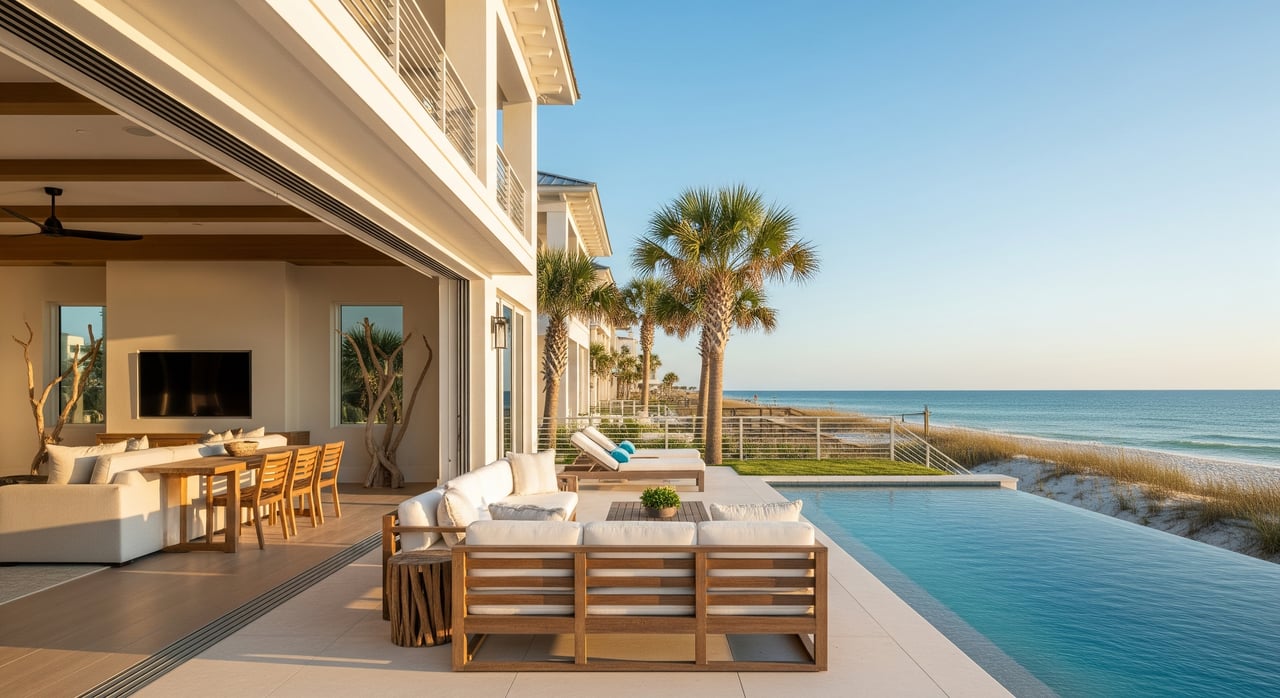
“Gulf-front” is a marketing term for property directly adjacent to the Gulf of Mexico, typically with the primary exterior facing the water and immediate proximity to the sand. In multi-unit buildings, gulf-front units sit on the gulf side with a direct line of sight and convenient access from the building to the beach area. Remember, marketing language is not a legal guarantee of access beyond what is recorded in the deed and constrained by coastal regulations.
What gulf-view means in PCB
“Gulf-view” indicates a view of the Gulf without being directly on the sand. You might be across a street, behind dunes, or separated by public beach or other parcels. Gulf-view homes and condos commonly rely on public beach access points, HOA boardwalks, or recorded easements to reach the shore.
What deeded beach access means
Deeded beach access is a recorded legal right to cross intervening land to reach the beach. It can appear as a pedestrian easement, an appurtenant easement that runs with the land, or rights documented in HOA or condominium declarations. Always verify access in recorded instruments and a title search, because “private access” in marketing copy may be informal or non-exclusive if it is not documented.
Public beach and coastal regulations
In Florida, the wet-sand area seaward of the mean high water line is generally held for public use, and shoreline boundaries can shift. State and local rules, including Coastal Construction Control Lines, setbacks, and dune management, influence where structures can be built, rebuilt, or modified. In Panama City Beach, zoning, parking, and short-term rental requirements vary, so you should confirm city and county rules for your intended use.
How location changes price and returns
Purchase prices and rental demand
Gulf-front properties in PCB typically command the highest prices per square foot and the strongest seasonal rental demand because of unobstructed views and immediate beach access. Gulf-view homes and condos usually trade below gulf-front but above off-beach options, with premiums influenced by floor level, sightlines, amenity package, and parking. For investors, gulf-front can attract higher nightly rates and booking interest during peak season.
Operating costs to budget
Gulf-front ownership often carries higher HOA fees tied to beachfront amenities, insurance, and dune or beach management. Insurance premiums for wind and flood can be higher for coastal parcels, particularly in FEMA V or AE zones. Salt-air exposure adds maintenance for exterior finishes and mechanicals, and older buildings may require hurricane retrofits.
Net yield and risk
Higher gross income for gulf-front units can be offset by HOA, insurance, and maintenance costs. You should run a full pro forma for both revenue and expenses and model worst-case storm or repair scenarios. Gulf-view options can offer a lower entry price and ongoing costs, which may broaden your buyer pool at resale.
Lifestyle and privacy tradeoffs
Access and convenience
Gulf-front living offers immediate, often near-private access to the sand, making beach days and guest logistics simple. Gulf-view owners typically use public access points, HOA boardwalks, or recorded easements, which can add a short walk or road crossing. The difference can be just a few minutes, but it matters for families and high-turnover rentals.
Views and exposure
Gulf-front units deliver unobstructed views and prime sunrise or sunset sightlines. Gulf-view properties can have partial obstructions from neighboring buildings, trees, or streets, though higher floors may deliver a near-gulf-front experience. Verify sightlines in person, not just in photos.
Privacy and activity
Gulf-front settings can experience more foot traffic near public access points. Some buildings are set back behind dunes, which may enhance privacy. Gulf-view homes may feel quieter if separated by vegetation or a road.
Parking and stewardship
Older gulf-front buildings may have limited onsite parking relative to guest demand, so confirm capacity. Gulf-front owners are more likely to participate in HOA-led dune or shoreline stewardship, depending on local permitting and community obligations.
Due-diligence checklist for PCB buyers
Title and access proof
- Order a title commitment and confirm any recorded easements or appurtenant rights for beach access.
- Review deeds, plats, and easement documents for exact crossing rights and any restrictions.
Survey and site verification
- Obtain a current boundary survey showing property lines, improvements, and rights-of-way.
- Compare the survey with recent aerial imagery and confirm dune locations and public access points on site.
Insurance and hazard exposure
- Get property-specific quotes for flood, wind, and homeowner or condo master policies.
- Confirm FEMA flood zone and obtain an elevation certificate if available.
Regulatory review
- Check Panama City Beach and Bay County rules for short-term rentals, required business receipts, parking, and occupancy standards.
- Identify any Coastal Construction Control Line constraints and active beach nourishment or dune restoration projects.
HOA and building health
- Review HOA or condo declarations, bylaws, budgets, reserve studies, pet and rental policies, and any special assessments related to beach or dune work.
- Inspect building envelope and balconies for salt-air corrosion, and note any hurricane retrofit requirements.
Market and rental analysis
- Request historical rental performance for the unit or close comps, including occupancy and average daily rates.
- Compare recent gulf-front, gulf-view, and off-beach sales in the same building or nearby blocks for per-square-foot trends.
On-site tour tips
- Visit at different times and seasons to assess traffic, noise, privacy, and sunset angles.
- Walk the exact route to the beach and note gates, boardwalks, roads, or signage indicating public versus private access.
Search and touring strategy
Smart search filters
- For gulf-front intent, filter for beachfront or gulf-side orientation and verify distance to sand using maps and building site plans.
- For gulf-view intent, watch for “across the street” or “over right-of-way” notes and confirm the nearest public or deeded access.
- Layer in rental-permitted zoning, HOA rental rules, and flood zone filters if insurance cost is a key driver.
Touring priorities by goal
- Gulf-front buyers: weigh walk-out convenience on lower floors against wide-angle views on higher floors; confirm dune access and guest parking.
- Gulf-view buyers: evaluate whether a short walk or road crossing is acceptable for the savings in price and fees.
- Investors: ask for audited statements or platform reports and confirm seasonality patterns for spring and summer peaks.
Questions to ask listing teams
- Is beach access deeded, HOA-controlled, public, or a mix? How is it documented?
- What are current HOA fees, reserves, and any planned assessments related to coastal work?
- Which flood zone applies, and are elevation certificates available?
When gulf-front is worth the premium
Choose gulf-front when your top priorities are immediate sand access, unbroken views, and peak-season rental draw. If your strategy centers on highest nightly rates and standout listing appeal, the gulf-front premium can make sense. It also fits lifestyle buyers who want effortless beach days and a signature view from the living area.
When a gulf-view makes sense
Pick gulf-view when value, privacy, and lower carrying costs matter more than a few extra minutes to the beach. Many buyers find that higher floors deliver a near-gulf-front visual experience at a better price point. For long-term holds, lower insurance and HOA costs can improve your net yield even with slightly lower nightly rates.
Work with a local specialist
Whether you are shopping for a luxury estate or an investor-ready condo, the right guide makes all the difference. You deserve clear explanations, meticulous due diligence, and a plan tailored to your lifestyle and investment goals. If you are ready to compare specific buildings, floor stacks, and access rights, connect with The Warren Group to Start Your Coastal Search.
FAQs
What is the difference between gulf-front and gulf-view in PCB?
- Gulf-front sits directly by the Gulf with immediate proximity to the sand, while gulf-view offers water views from nearby but is not directly on the beach.
How can I confirm deeded beach access before buying?
- Ask for recorded easement documents or deed language, verify them in a title commitment, and confirm access rights in HOA or condominium declarations.
Do coastal rules limit what I can build or repair?
- Coastal Construction Control Lines, setbacks, and local permits can limit new work or post-storm repairs, so review state and local requirements early.
Are insurance costs higher for gulf-front than gulf-view?
- Many gulf-front properties face higher wind and flood premiums due to exposure and flood zones, so obtain property-specific quotes.
What impacts rental income most for PCB condos?
- Direct beach access, unobstructed views, floor level, parking, and amenities typically drive nightly rates and occupancy, especially in peak season.
Are short-term rentals allowed everywhere in PCB?
- Short-term rental permissions vary by city, county, and HOA rules, so confirm local ordinances and community policies for each property.