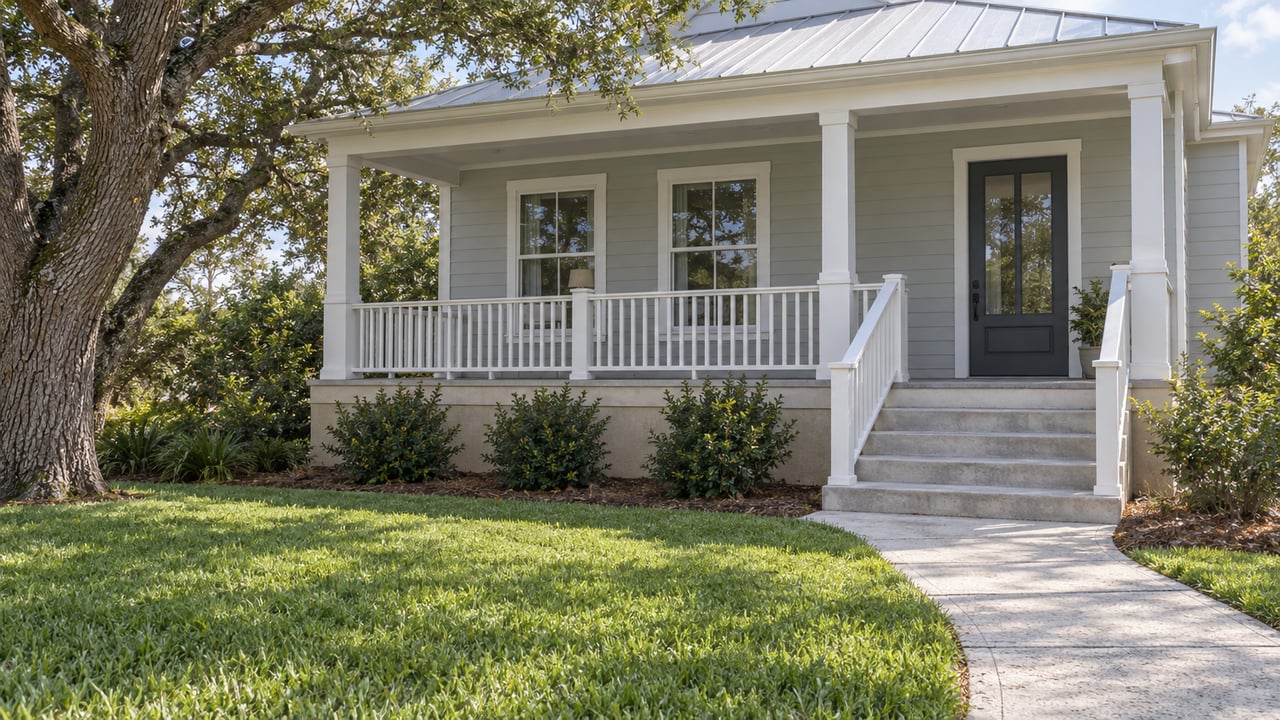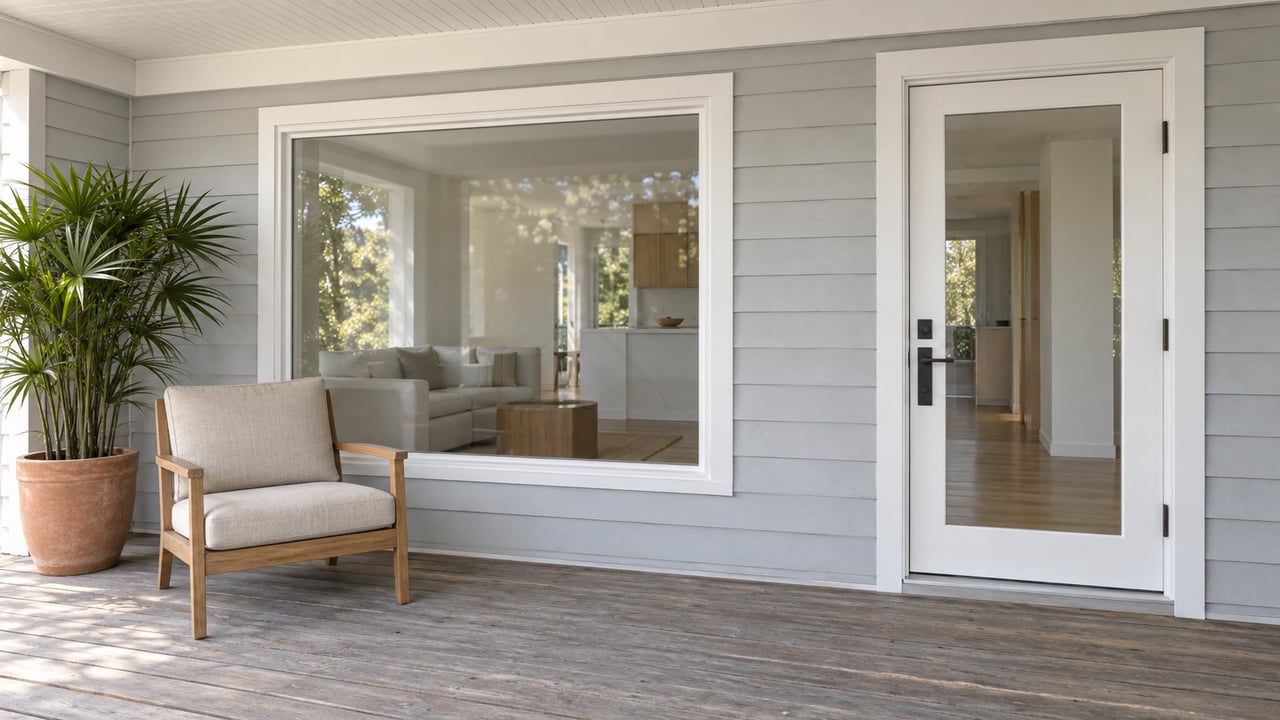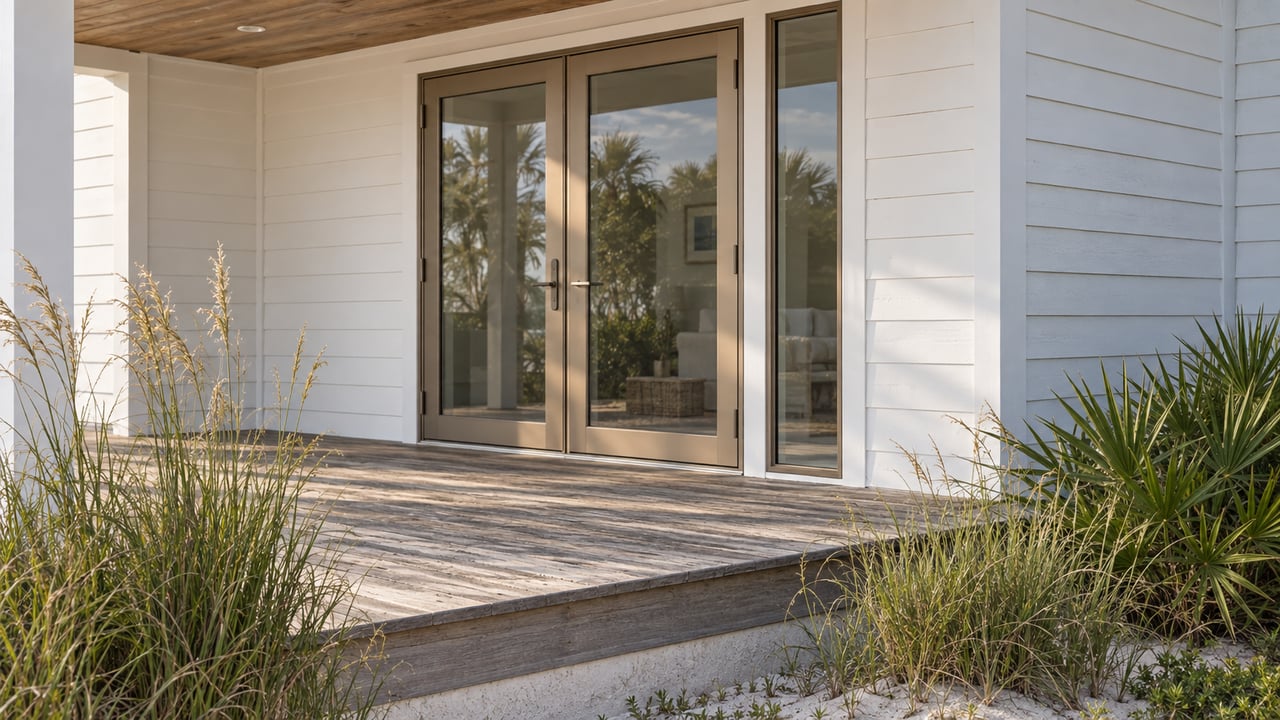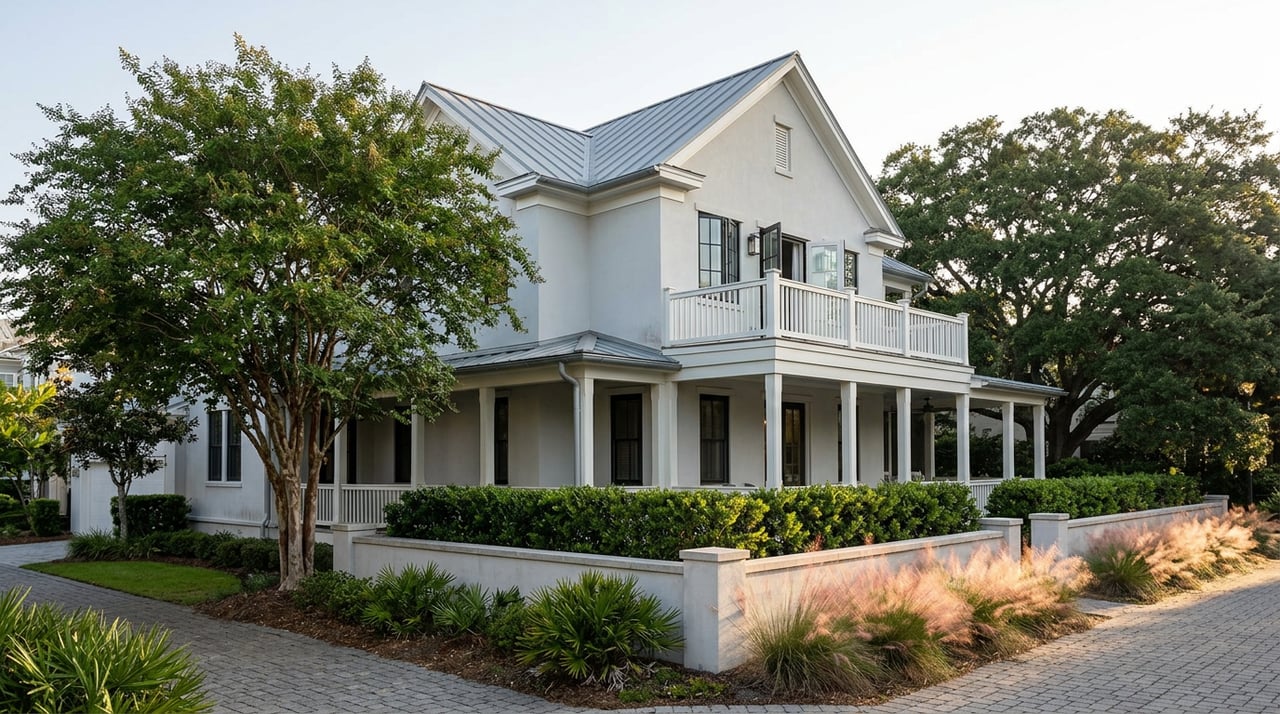
Thinking about buying a second home on 30A East that can also help offset costs when you are not using it? You are not alone. Many buyers are drawn to this stretch of South Walton for the beach lifestyle first, then realize the same features that make it enjoyable for personal use also appeal to short-term guests. If you want a property that works as both a private retreat and a rental, the key is to plan for both from day one. Let’s dive in.
Why 30A East Fits Hybrid Ownership
30A East sits within South Walton’s beach corridor, including places like Inlet Beach, Rosemary Beach, Alys Beach, WaterSound, and Seacrest. These are well-known coastal communities that attract both second-home buyers and vacation visitors.
That visitor demand matters. Walton County Tourism reports that visitors accounted for 71% of spending in the county in 2024. In simple terms, the guest market is not a side story here. It is one of the main reasons a hybrid second home can make sense in this area.
Seasonality Can Work in Your Favor
One of the biggest advantages of a hybrid getaway on 30A East is the area’s predictable seasonal rhythm. According to South Walton’s official trip-planning information, January and February are mild, March starts to get busier, April and May are prime months, and June through August are the hottest and busiest stretch of the year.
Then the pace shifts. September tends to slow as school resumes, October stays warm, and November and December have become increasingly popular. For many owners, that creates a practical pattern: reserve quieter shoulder-season weeks for your own stays and make the highest-demand periods available for guests.
Start With the Right Buying Strategy
A hybrid second home is not just about finding the prettiest street or the closest walk to the beach. On 30A East, the more important question is whether the property can realistically support the way you want to use it.
Before you buy, your checklist should include more than price and view. Walton County guidance makes it clear that zoning, HOA or condo rules, parking, septic limits, occupancy rules, tax status, and rental registration all deserve attention early in the process.
Know the Rental Rules Before Closing
If you plan to rent a home for short stays, state and county rules will shape your purchase. At the state level, Florida requires a vacation rental license for qualifying properties that are rented more than three times in a calendar year for stays of less than 30 consecutive days, or that are advertised as regularly rented for those shorter stays.
Walton County adds its own annual short-term vacation rental registration on top of that state licensing process. The county states that the annual fee is $300 per structure, and operating without registration can lead to a $500-per-day penalty. That means compliance should be part of your purchase plan, not a task to figure out later.
Taxes Are Part of the Ownership Math
If your property is in South Walton south of Choctawhatchee Bay, Walton County charges a 5% Tourist Development Tax. The county also states that Airbnb, HomeAway, and VRBO do not remit that tax on the owner’s behalf.
On top of that, transient rentals are subject to 7% Florida sales tax in Walton County, made up of the 6% state sales tax plus the county’s 1% discretionary surtax. Combined with the 5% Tourist Development Tax, the total rental tax comes to 12% in South Walton. Walton County also notes that mandatory non-refundable fees, such as cleaning, pet, or resort fees, are included in the taxable amount.
Occupancy and Parking Matter More Than Buyers Expect
A home may look like it can sleep a crowd, but Walton County ties approved occupancy to usable heated or cooled square footage. The county generally uses one person per 150 square feet of usable heated or cooled space, unless a lower approved number applies.
Parking also plays a bigger role than many buyers expect. The county says existing homes usually keep the parking available onsite, while new units must provide one parking space per 900 heated or cooled square feet. Advertising must match the approved occupancy and parking count, and it must include the certificate and Tourist Development Tax numbers.
That affects how you evaluate a property. A home with clear bedroom layouts, practical parking, and straightforward guest flow is often easier to operate than one that relies on informal sleeping areas or awkward overflow parking.
Local Support Is Often Required
If you cannot reach the property within one hour to handle a guest issue, Walton County requires a local responsible party. The county’s guidance says that person should be available 24/7, able to respond within one hour, and monitor the property at least weekly for issues like parking and trash.
This is one reason hybrid ownership works best when you treat management as a serious operating decision. A strong local setup can help protect the guest experience, preserve the property, and keep you aligned with county expectations.
Design Choices Can Make Ownership Easier
The best hybrid homes usually feel relaxed for you and easy to maintain between guest stays. In practice, that often means durable surfaces, resilient upholstery, light finishes, and a layout that photographs well without being overly delicate.
Walton County’s rules also hint at a practical design approach. Because required postings must be placed near the main entrance or on the refrigerator, many owners benefit from having a dedicated entry or utility zone for instructions, emergency information, and turnover notes.
If the property is a detached or attached single-family short-term vacation rental, the county also requires an exterior sign visible from the public right-of-way, with size limits. For taller homes, Florida law requires a balcony or stairway inspection certificate for buildings that are three or more stories high, and evacuation maps must be posted near third-floor bedrooms and above.
Do Not Assume Every Extra Space Can Be Rented
Many buyers see a carriage house, guest suite, or accessory space and assume it creates a second rental opportunity. Walton County says accessory dwelling units generally cannot be used as separate short-term vacation rentals.
That means you should not count on a carriage house or guest house as a separate income stream unless a specific community has an approved exception. This is the kind of detail that can change the economics of a purchase, so it is worth confirming before you commit.
Homestead Status Needs Careful Review
Some buyers consider using a property part-time while keeping homestead status in place. Walton County says some owner-occupied single-family homes may be exempt from county short-term rental certification if the owner lives on site full time and the property continues to be declared homestead.
But the county also warns that renting more than 30 days per year in two consecutive years may trigger homestead abandonment. If you are trying to blend personal use with rental activity, property-tax treatment should be reviewed early with the right professionals.
Condo and HOA Rules Can Change the Picture
County approval is only part of the story. Walton County notes that HOA covenants can regulate short-term rental use even if they do not clearly ban it.
Some condominiums are also excluded from the county certification process, but they still must comply with state licensing, Department of Revenue obligations, and county Tourist Development Tax rules. So whether you are buying a condo or a single-family home, the document review matters just as much as the location.
What a Smart Hybrid Home Looks Like
In most cases, the strongest hybrid properties on 30A East share a few practical traits:
- A location with consistent guest appeal
- A layout with clear bedroom counts
- Flexible bonus space that does not exceed approved occupancy
- Strong off-street parking
- Durable, easy-clean finishes
- Entry space for required postings and guest instructions
- A realistic plan for one-hour issue response and weekly checks
The goal is simple. You want a home that feels like your getaway when you arrive, but functions smoothly as a short-term rental when you are away.
A Better Way to Evaluate a 30A East Purchase
When you tour homes, it helps to think beyond the listing photos. Ask whether the property’s use plan lines up with county rules, guest logistics, and your own ownership goals.
A beautiful house can still be the wrong hybrid fit if parking is tight, occupancy is limited, the HOA is restrictive, or the septic conditions reduce usable capacity. The right purchase is usually the one where lifestyle, compliance, and operating reality all work together.
Why Local Guidance Makes a Difference
Buying a second home on 30A East is often equal parts lifestyle move and financial decision. That is especially true when you want the property to serve as both a private escape and a rental-ready asset.
A local team can help you compare micro-markets, review property fit, and spot red flags before they become expensive surprises. On a stretch of coast where details like zoning, registration, parking, and community rules can shape ownership, informed guidance matters.
If you are considering a hybrid second home on 30A East, The Warren Group can help you evaluate the opportunities with a local, high-touch approach tailored to your goals.
FAQs
What makes a 30A East second home a good hybrid getaway and rental?
- A strong hybrid property usually combines personal lifestyle appeal with practical rental traits like guest-friendly location, clear occupancy fit, workable parking, and manageable turnover logistics.
Does a 30A East short-term rental need a Walton County registration?
- Yes. Walton County requires annual registration for short-term vacation rentals, and the county states there can be penalties for operating without it.
Do owners of 30A East rentals have to collect Walton County tourist tax?
- Yes. Walton County states that owners are responsible for collecting and remitting the 5% Tourist Development Tax, and that major booking platforms do not do that for owners in this case.
Can a 30A East carriage house be rented separately as a short-term rental?
- Generally, no. Walton County says accessory dwelling units usually cannot be used as separate short-term vacation rentals unless a specific approved exception applies.
Does a 30A East rental property need a local manager or contact person?
- If you cannot reach the property within one hour to handle issues, Walton County requires a local responsible party who can respond and help monitor the property.
Can renting out a 30A East second home affect homestead status?
- Yes. Walton County states that renting more than 30 days per year in two consecutive years may trigger homestead abandonment, so this should be reviewed carefully before you buy or rent the property.