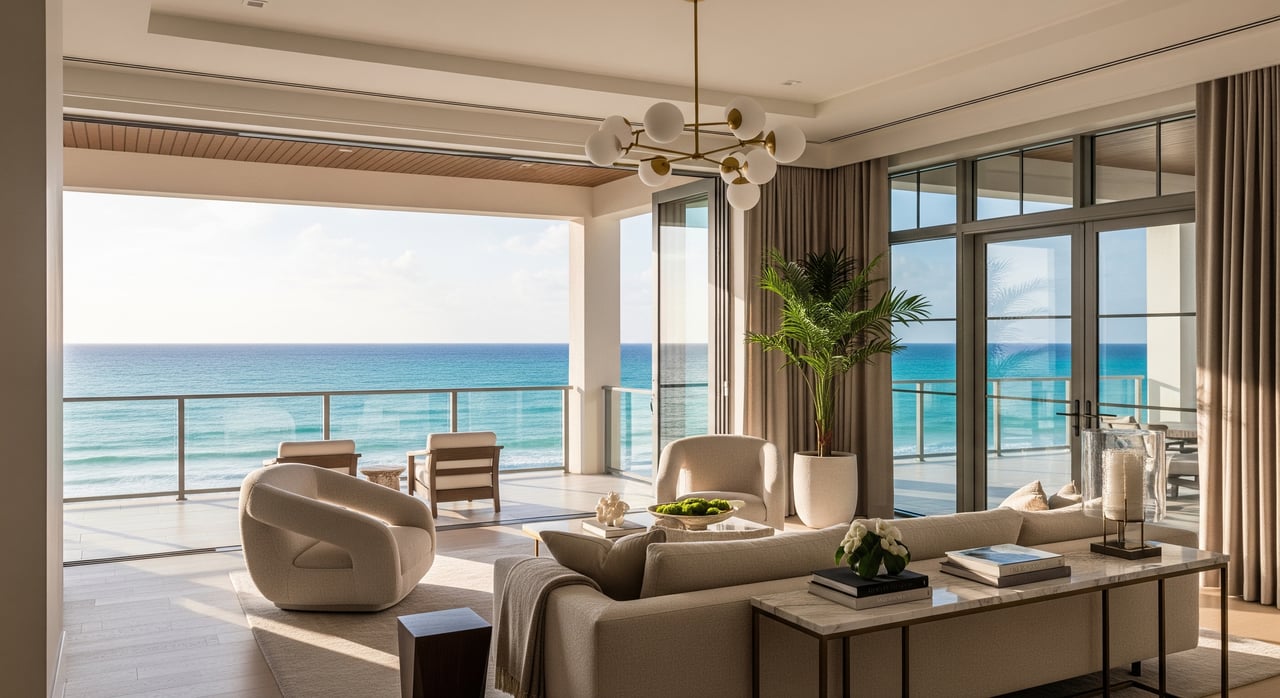
Imagine waking up to the sound of the Gulf, brewing coffee, and stepping onto your balcony as the beach comes to life below. If you are weighing a purchase at Calypso Condominiums in Panama City Beach, you are likely picturing that exact morning. You also want the practical side: how it feels to own here, how rentals work, and what to verify before you buy. This guide walks you through the day-to-day experience, the investor details, and a smart checklist tailored to Calypso’s location near Pier Park. Let’s dive in.
Life at Calypso: What to expect
Owning a beachfront condo in Panama City Beach blends easy access to the sand with quick trips for dining and errands. Your days often center on the beach, the pool, or simple routines like morning walks, gym time, and sunset views. Many owners split time between personal use and short-term rentals, so your experience may shift by season and by week.
During peak season, the area is lively with families, beachgoers, and shoppers. In the shoulder and off-seasons, the pace softens and common spaces feel quieter. Plan your personal stays around the vibe you prefer.
Walkability to Pier Park
Calypso sits along the Front Beach Road corridor with pedestrian access to Pier Park, the city’s main open-air district for restaurants, shopping, and entertainment. Many owners and guests walk to Pier Park during the day or early evening. If you plan to do the same, consider Florida heat, sun exposure, and crosswalks at major intersections. Lighting and sidewalks support comfortable walks, but the experience can vary by time of day and season.
For planning, use a practical rule of thumb for walking times. A half mile is about 10 to 12 minutes at a normal pace, and a mile is about 18 to 22 minutes. Check your preferred route and timing in your map app and decide whether you prefer to walk or take a short drive or rideshare.
Amenities: What to confirm
Beachfront complexes in PCB commonly offer features that support both vacation use and rentals. Before you buy, verify the current Calypso amenity list directly with the HOA or on-site management:
- Beach access setup and boardwalk configuration
- Pool and spa details, including any seasonal heating
- Fitness center location and access hours
- Grilling areas, covered common spaces, and owner storage
- Parking policies, including covered or gated access and any assigned spaces
- Elevator count and placement, since this affects wait times in peak months
- On-site or partnered rental management options
- In-unit laundry and any shared laundry facilities
- Security features such as key fob entry or front desk staffing
- Storm-readiness measures like shutters or impact glass, plus emergency power for common areas
Inside the units: Comfort and utility
Floor plans in PCB vacation condos often range from studios to 3 bedrooms. Balconies and Gulf views shape daily routines and rental appeal. Full kitchens and in-unit laundry keep personal stays simple and support turnover for guests. If you plan to rent and visit throughout the year, ask whether smart thermostats are allowed and how HVAC is managed during vacant periods.
A typical owner day
- Morning: Coffee on the balcony, a quick beach walk, then breakfast in-unit or at a nearby café.
- Midday: Beach or pool time, then a short walk or drive to Pier Park for lunch or errands.
- Afternoon: If you have guests arriving, your manager may coordinate cleaning and a late afternoon check-in while you enjoy an easy beach hour.
- Evening: Dinner at Pier Park or a quiet night on the balcony. On busier weekends, plan restaurant reservations and allow extra travel time.
Guest check-ins and turnover
Many owners work with local property managers who handle marketing, bookings, cleaning, linens, maintenance, and guest communications. If you self-manage, plan for parking passes or decals, keyless entry or key exchange, and a clear house manual that aligns with HOA rules. Confirm how many parking passes are allowed per unit and whether overflow parking is available nearby.
Elevator and parking flow can affect guest satisfaction on high-occupancy weekends. Share clear arrival instructions and preferred check-in windows so guests know what to expect.
Seasonality and crowd levels
Panama City Beach runs on a seasonal rhythm. Late spring through summer typically brings peak occupancy, which creates a high-energy environment around the pools, elevators, and nearby attractions. Shoulder seasons are calmer and often favored by owners who want more space and easier logistics. Your rental demand will also track with this pattern, so review your calendar and nightly rate strategy accordingly.
HOA essentials to review
Before you buy, read the core association documents so you know the rules and your costs:
- Declaration, Bylaws, and Rules and Regulations
- Current budget, reserve study, and recent meeting minutes
- Rental policies, including any minimum-night stays and owner-use rules
- Pet policies for owners and guests
- Parking policy and guest pass procedures
Pay attention to what HOA dues include, such as common utilities and services, and what you will cover separately, like in-unit electric or Wi-Fi. Ask for the history of special assessments and any scheduled capital projects.
Short-term rentals and local rules
If rentals are part of your plan, confirm both the HOA rules and local requirements. Panama City Beach and Bay County have regulations related to licensing, registration, occupancy limits, and transient rental taxes. These rules can change, so verify current procedures before you advertise or accept bookings. Your property manager or closing team can help you gather the latest forms and contacts.
Insurance and storm readiness
Beachfront ownership in Florida includes specific insurance considerations. Ask the HOA for a summary of the master policy type and deductibles so you understand where the building coverage ends and your responsibility begins for interior finishes and contents. Lenders often require flood coverage based on FEMA flood zone and elevation, and separate wind coverage may apply. Budget for storm preparation, such as storing balcony furniture, securing doors and windows, and following the building’s emergency plan. Confirm the building’s re-entry and cleanup protocols after major weather events.
Taxes, financing, and accounting basics
Bay County property taxes and the local millage rate will factor into your annual holding costs. If you rent, plan for transient lodging taxes, state and federal income tax on rental income, and the recordkeeping needed to separate personal use from rental use. Lenders underwrite second homes and investment properties differently, so your down payment and interest rate may vary based on how you will use the unit. Work with a lender who understands condo lending on the Emerald Coast.
Property management choices
If you prefer hands-off ownership, a local manager can run marketing, bookings, guest communication, housekeeping, and emergency response for a percentage of rental revenue. If you self-manage, line up cleaners, a handyman, pest control, and a clear guest communication system. Either way, share the HOA’s rules with guests and set expectations about noise, parking, and balcony safety.
Buyer checklist: Verify before you buy
Use this list to focus your due diligence:
- Exact building address and map location relative to Pier Park, plus your preferred walking route and timing
- Current amenity list, elevator count, and parking policy from the HOA
- Floor plan options that match your use case, such as a one-, two-, or three-bedroom layout
- HOA documents, current budget, reserve study, and recent meeting minutes
- Rental policy and current local rental registration and tax requirements
- Flood zone and insurance needs, plus a summary of the master policy and deductibles
- Any ongoing or scheduled capital projects and assessment history
Is Calypso a fit for your goals?
If you want a beachfront setting with convenient access to dining and entertainment, Calypso’s location near Pier Park can make everyday life simple. You can enjoy easy personal stays while tapping demand from seasonal visitors when you rent. The key is verifying the details: HOA rules, amenities, parking, elevator flow, insurance, and local rental requirements.
When you are ready to explore available units or you want help running the numbers, reach out to the local team that lives and works this market every day. Start your search with The Warren Group’s boutique, white-glove guidance and Compass-backed reach. Start by connecting with The Warren Group.
FAQs
What is daily life like for owners at Calypso?
- Expect easy beach access, quick trips to Pier Park for dining and shopping, and a seasonal rhythm with livelier summer months and quieter shoulder seasons.
Is Calypso walkable to Pier Park for most owners and guests?
- Many owners and guests choose to walk, factoring in crosswalks, heat, and time of day; use your map app to confirm the exact route and timing that works for you.
Which amenities should I confirm with the HOA before buying at Calypso?
- Verify beach access details, pool and spa info, fitness center access, parking rules, elevator count, security features, and whether on-site or partnered rental management is available.
Can I rent my Calypso unit short term?
- It depends on both HOA rules and local regulations; review the association’s rental policy and current city and county requirements before you market or accept bookings.
What insurance will I likely need as a Calypso condo owner?
- Review the building’s master policy, then confirm your interior and contents coverage, flood insurance based on FEMA flood zone, and separate wind coverage if required by your lender.
How busy does Calypso get during peak season?
- Peak spring and summer bring high occupancy, which can increase elevator wait times and activity around the pools and beach; plan arrival windows and reservations accordingly.