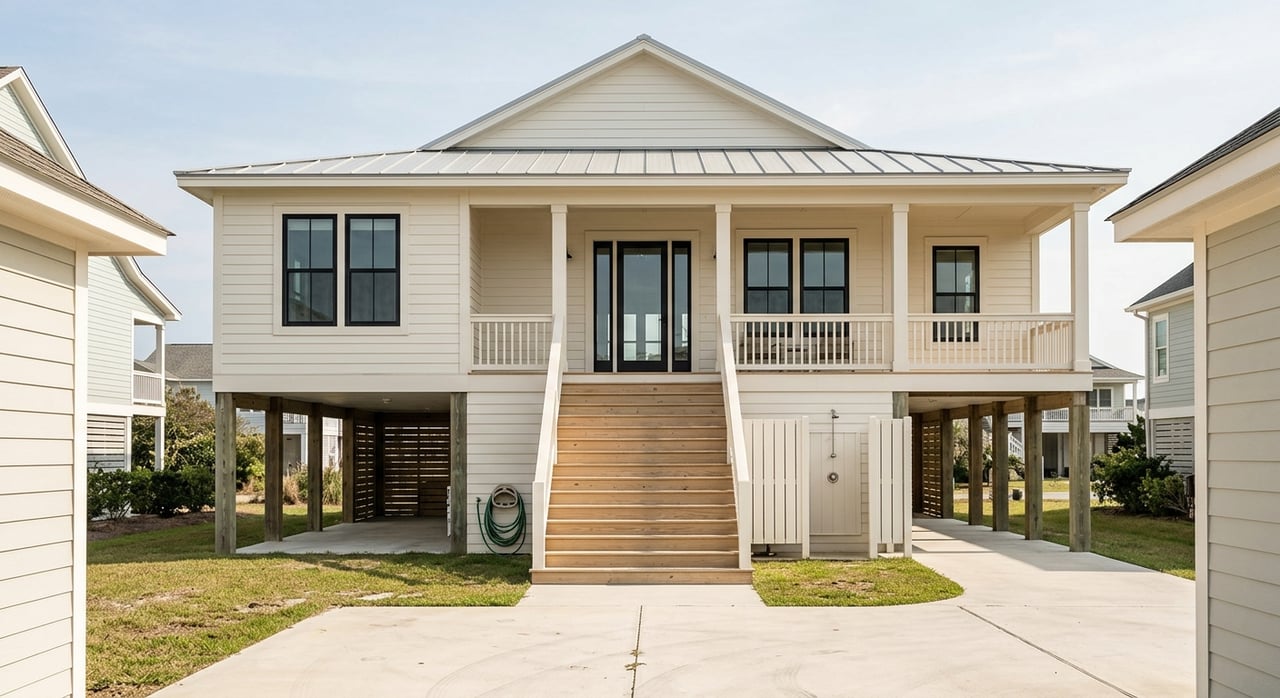
What does beach life actually look like when you live there full time, not just for a long weekend? In West Panama City Beach, the answer is more practical than many buyers expect. You get the coastal setting people come here for, but you also get the parks, shopping, trails, roads, and public beach access that help daily life feel easy. If you are thinking about a primary home, second home, or even a property that blends lifestyle with long-term value, this guide will show you why West Panama City Beach stands out. Let’s dive in.
Why West PCB Feels Livable
Panama City Beach is known as a destination, but it also functions as a real year-round community. According to the City of Panama City Beach, the area stretches along 13 miles of Gulf frontage, has more than 19,000 full-time residents, and supports outdoor living much of the year with an average annual temperature of 78°F.
That matters if you are relocating or spending extended time here. Instead of feeling like a place built only for visitors, West Panama City Beach offers a mix of resident infrastructure and coastal atmosphere. You can enjoy the beach-town setting without giving up the basics that make daily routines work.
Beach Access for Real Life
One of the biggest draws of West Panama City Beach is how usable the beach can be on an ordinary day. Bay County states that all county beaches are public and that there are 96 public beach access points stretching across the shoreline.
That kind of access changes the way you experience the coast. Instead of treating the beach like a once-in-a-while outing, you can picture a morning walk, a quick sunset stop, or a short break by the water in the middle of your week.
Parking Makes a Difference
Easy access matters even more when it comes with practical parking. The city highlights several public beach parking areas and city lots, including options near Front Beach Road and Richard Jackson Boulevard, which helps make the west-side corridor easier to use without overcomplicating your day.
For many buyers, that is an underrated detail. Convenient parking can make the difference between beach access that sounds nice in theory and beach access you actually use often.
Walkable and Bike-Friendly Touches
The city has also added bike racks at several beach accesses and continues building bike and tram lanes plus sidewalks along Front Beach Road. According to the city’s corridor updates, these improvements support a more connected daily lifestyle.
In practical terms, that means short trips can feel simpler. If you like the idea of walking or biking to the beach, grabbing some fresh air, and heading home without much planning, West PCB is moving in that direction.
Dog Beach and Shared Rules
If you have a dog, the west side of the Russell-Fields City Pier is designated as Dog Beach. The area also includes showers, benches, picnic tables, concessions, and nearby restaurants, which gives it a more neighborhood-style feel.
It is also worth knowing that beach living comes with clear public rules. The area uses a color-coded beach flag system for water conditions, and the Leave No Trace ordinance requires unattended beach items to be removed overnight. Those policies help keep the shoreline safe and usable as a shared public asset.
Outdoor Life Beyond the Sand
Living in West Panama City Beach is not only about the Gulf. The broader outdoor network is part of what makes the area feel balanced for year-round residents.
The city’s community profile points to about 40 miles of connected trails and highlights Panama City Beach as a place where getting around can be easier for pedestrians and cyclists than many people assume. If outdoor exercise is part of your daily routine, that adds real value.
Frank Brown Park Anchors Recreation
Frank Brown Park is one of the clearest examples of resident-focused infrastructure. The city says this 100-plus-acre park includes sports fields, playgrounds, pavilions, dog parks, trails, a youth fishing pond, and the Panama City Beach Aquatic Center with an Olympic-size pool and kids’ splash pool.
For active adults, families, and anyone who wants more than beach days alone, this is a major plus. It gives the area a true community rhythm, with places for recreation that support normal weekly life.
Conservation Park and Camp Helen
For quieter outdoor time, Conservation Park offers a large natural setting within the city’s trail network. Nearby, Camp Helen State Park adds another nature option on the west side, with swimming, hiking, paddling, fishing, and beachcombing.
That variety is part of West PCB’s appeal. You can spend one day at a more active public beach and another enjoying a slower pace in a more natural setting, all without leaving the area.
Daily Conveniences in West PCB
A coastal lifestyle works best when everyday needs are close by. In West Panama City Beach, Pier Park plays a big role in that equation.
The tourism bureau describes Pier Park as the city’s premier shopping and entertainment district, with 124 stores plus many dining options. For residents, that means errands, casual meals, and entertainment are concentrated in one part of town.
That convenience matters more than people often expect. When you are not driving all over the area for basic needs, the beach lifestyle feels more relaxed and more sustainable for full-time living.
Dining That Supports Year-Round Life
West Panama City Beach also offers enough restaurant variety to support more than peak-season traffic. According to Visit Panama City Beach, the area includes beachfront restaurants, casual seafood spots, and a wide mix of dining choices around Pier Park.
For buyers, the takeaway is simple. West PCB keeps the energy of a destination market, but it also has enough dining and retail density to feel functional beyond vacation weeks.
Getting Around West Panama City Beach
No matter how beautiful a coastal area is, getting around still shapes daily life. In Panama City Beach, the numbers suggest a manageable commute environment. The U.S. Census QuickFacts report a mean travel time to work of 20.7 minutes for Panama City Beach.
That does not mean traffic never picks up. Main corridors can get busier during visitor periods, but the overall commute picture is still relatively reasonable compared with many Florida coastal markets.
Key Roads and Transit
The city identifies U.S. 98, also called Panama City Beach Parkway, as the main transportation corridor. It also notes that mobility improvements are underway, including an FDOT widening project with bike lanes and sidewalks along roughly 8.5 miles.
Front Beach Road is also being redeveloped as a more multimodal corridor with sidewalks, lighting, and dedicated bike and tram lanes, according to the city’s community redevelopment agency. Along with service from Bayway transit, these updates support a more resident-friendly transportation picture over time.
What Buyers Should Know
West Panama City Beach can appeal to different types of buyers because it blends lifestyle with everyday function. If you are looking for a primary residence, the area offers public beach access, parks, shopping, and commuting routes that support full-time living.
If you are looking for a second home, West PCB gives you a strong coastal feel without losing practical convenience. And if you are considering an investment-minded purchase, the concentration of amenities near major beach and shopping nodes helps explain why this part of the market continues to attract attention.
Growth and Pricing Context
Panama City Beach had an estimated population of 19,955 in July 2024, and the city profile points to continued growth ahead. The same Census QuickFacts data shows a median owner-occupied home value of $441,300 in Panama City Beach compared with $310,500 in Bay County overall.
That gap suggests a clear coastal premium inside PCB. For buyers, it is a reminder that value here is tied not just to the beach itself, but to the combination of location, access, amenities, and long-term demand.
The Everyday Coastal Takeaway
West Panama City Beach works because it does not force you to choose between scenery and practicality. You can enjoy public beach access, parks, trails, shopping, dining, and reasonable connectivity in one coastal setting that still feels relaxed.
If you want help finding the right fit in West Panama City Beach, whether that means a full-time home, a second home, or an investment-focused property, The Warren Group offers local guidance with a thoughtful, high-service approach tailored to your goals.
FAQs
What makes West Panama City Beach good for everyday living?
- West Panama City Beach offers public beach access, parks, trail connections, shopping at Pier Park, dining options, and manageable commute patterns that support year-round living.
How many public beach access points are in Panama City Beach?
- Bay County says there are 96 public beach access points across the shoreline, which helps make beach visits more practical for residents.
What parks support outdoor recreation in West Panama City Beach?
- Frank Brown Park, Conservation Park, and nearby Camp Helen State Park all support outdoor activities such as walking, hiking, sports, paddling, and family recreation.
Is Pier Park useful for full-time residents in West Panama City Beach?
- Yes. Pier Park serves as a major hub for shopping, dining, and entertainment, which makes everyday errands and casual outings more convenient.
What is the commute like in Panama City Beach, Florida?
- U.S. Census QuickFacts reports a mean travel time to work of 20.7 minutes in Panama City Beach, though traffic can increase during busy visitor periods.
Are there transportation improvements planned in Panama City Beach?
- Yes. The city highlights ongoing improvements along U.S. 98 and Front Beach Road, including sidewalks, bike lanes, lighting, and multimodal corridor upgrades.