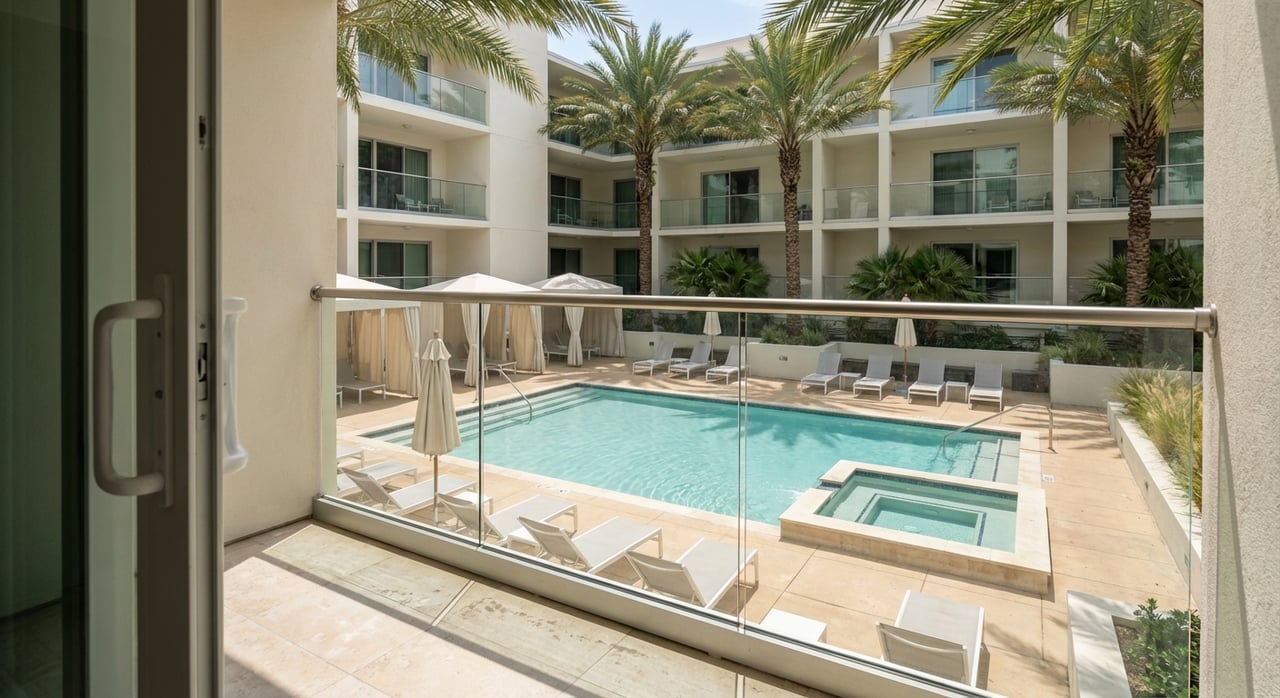
If you are considering a Calypso condo as part of your investment strategy, you are already looking at one of Panama City Beach’s most sought-after spots. The resort sits right on the sand and steps from Pier Park, which creates steady demand and premium appeal for vacation renters. Still, finding the right unit, modeling realistic returns, and avoiding hidden costs takes a plan. In this guide, you will learn how the towers differ, what drives revenue, the expenses that matter most, and how to match a Calypso purchase to your goals. Let’s dive in.
Why Calypso works in PCB
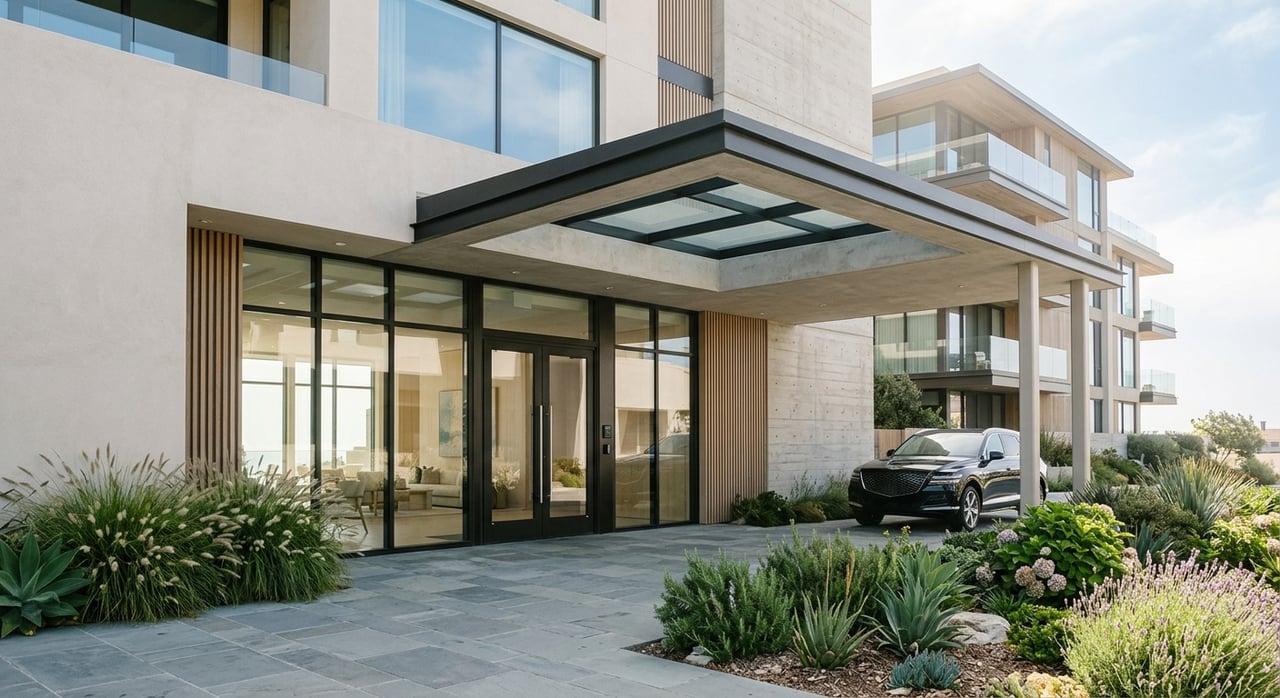
Calypso is a beachfront, multi-tower resort with the walkability travelers want. Guests highlight easy access to Pier Park, Russell-Fields Pier, and on-site resort amenities like pools, tiki bars, a fitness center, and covered parking with beach walkovers. These features consistently show up in rental ads and help units stand out to families and groups. You can review the amenity set and location highlights on the resort’s official overview page at Calypso Resort & Towers.
What this means for your strategy: strong location and a full amenity package support higher average daily rates compared to inland condos and can help shoulder-season bookings. That creates a more predictable revenue base to model.
Towers and floor plans: what to buy
Tower III at a glance
Tower III is the newer high-rise with a broad mix of 1-, 2-, and 3-bedroom layouts. Floor plans vary by stack and floor, and some 3-bedroom and corner plans are designed to maximize Gulf views and balcony space. You can scan plan types and stacks on the Tower III floor plan resource to match size, layout, and view to your target guest profile.
Towers I & II: classic resort footprint
The earlier towers also offer 1-, 2-, and 3-bedroom condos with direct beach access and resort pools. Public listing examples show some 1-bedroom models in the older towers with smaller footprints than Tower III’s comparable plans. For instance, one older-tower 1-bedroom sale reported about 841 square feet. Use current MLS and public records to verify exact square footage for any unit you are modeling. A sample historical record is available through a Calypso older-tower listing example.
Price ranges you will see
Public listing history across the Calypso towers shows broad ranges that reflect tower differences, floor height, exposure, and finishes. Recent examples place many 1-bedrooms in the low-to-mid $300Ks to $500Ks and 2- to 3-bedrooms often in the high $400Ks to $800Ks. Corner or high-floor 3-bedrooms can list toward the top end of that band. Always use current MLS for unit-specific pricing at the time you write an offer.
What drives rental performance
Vacation rental demand in Panama City Beach is highly seasonal and location sensitive. Market-level data aggregated by local managers shows roughly 57 percent paid occupancy with average daily rates in the low $300s across the broader PCB market. That is a market-wide snapshot, and beachfront buildings beside Pier Park often achieve higher ADR, especially in peak months. You can read a summary of recent market averages in this local property management overview.
What to do with this: use market occupancy and ADR as a starting point, then layer in your unit’s specifics. Larger 2- and 3-bedroom Gulf-front plans, high-floor views, and proximity to Pier Park can lift ADR and length of stay. Always verify performance with 12 to 24 months of actual revenue and occupancy for the specific unit you are considering.
The expenses that shape returns
Your net number is driven as much by cost control as by top-line revenue. Here are the line items you will want to budget carefully.
HOA dues and inclusions
Association dues cover building operations like common area maintenance, staff, pools, security, master insurance, and often internet or cable. Public Tower III listings show examples in the approximate $800 to $1,200-plus per month range, with some older towers billing quarterly. Always request the current budget and reserve details so you know what is included and what is not. See a building-level snapshot on Homes.com’s Tower III page.
Building insurance pressures
Across Florida, building master insurance premiums have risen and can be the largest driver of HOA increases or special assessments. Review the master policy declarations, carrier, limits, and deductibles during due diligence. Industry reporting details how these costs have affected associations statewide. For context, see this overview from Insurance Journal.
Property taxes and utilities
Property taxes vary by unit and are set by the county. Confirm the latest bill or estimator for the parcel you are evaluating. For utilities, verify which services the HOA covers and which are owner paid, including electricity, internet, and any add-ons like pest control.
Management, marketing, and cleaning
If you use a full-service short-term rental manager, expect fees commonly in the 10 to 35 percent range of gross rental revenue, depending on service level. Platform and payment processing fees also apply. For a clear industry breakdown, review this management fee guide. Cleaning and linen turnover are typically charged per stay, often passed to the guest in your listing, but make sure your P&L reflects any owner-paid portions.
Guest taxes you must collect and remit
Short-term rentals of six months or less in Florida are subject to state and local taxes collected from the guest and remitted by you or your platform.
- Florida state sales tax is 6 percent. Bay County also applies a discretionary surtax that often brings the combined state and local sales tax component to about 7 percent for many transactions. Confirm current rates with the Florida Department of Revenue.
- Bay County’s Tourist Development Tax is 5 percent on short-term stays inside the tourist tax district. Guidance and filing timelines are provided by the county. See the Bay County TDT FAQ.
As a practical modeling rule of thumb, many owners plan for a combined guest tax load near 12 percent. Always confirm exact rates for your unit and make sure your pricing settings collect these taxes properly.
A simple ROI framework
You can model a Calypso purchase in a few clear steps.
- Start with revenue: Gross revenue = ADR × 365 × occupancy rate. For market context, PCB averages have recently sat near a 57 percent occupancy and ADR around the low $300s, per the local management summary cited above.
- Subtract variable costs: management fee percentage, platform fees, cleaning and supplies.
- Subtract fixed costs: HOA dues, insurance, property taxes, utilities, and a capital reserve for replacements.
- Test scenarios: build conservative, base, and stretch cases with different occupancy and ADR by season.
This formula is not a promise of performance. It is a way to compare units using real quotes and actual unit histories so you can see which option best aligns with your goals.
Strategy by buyer type
A. Pure investor
- What to target: high-floor 2- and 3-bedroom plans with strong Gulf exposure and large balconies that attract families and groups. Tower III’s larger 3-bedroom stacks and some corner 2-bedrooms often support higher ADR, which can improve peak-season revenue.
- What to request: 12 to 24 months of verified rental statements, occupancy calendars, management agreement terms, cleaning rates, and any pending assessments in HOA minutes. Confirm short-term rental permissions and any minimum-stay rules in the governing documents.
- How to price: use market ADR and occupancy benchmarks as a baseline and price seasonally. Adjust for view, floor, and tower.
B. Hybrid personal-use owner
- What to target: a comfortable plan that also rents well, typically a 2-bedroom or convertible layout. Consider orientation and balcony space if sunsets and evening use matter for you. Browse plan options on the Tower III floor plan map.
- What to confirm: owner-use policies, minimum stays, and how owner weeks appear in the rental calendar. Ask for historical revenue that already factors your intended owner use.
- How to model: reduce available rental nights by your personal weeks, then retest ADR and net cashflow to confirm the holding costs work for your lifestyle.
C. Long-term holder
- What to target: the plan and view you will be happy owning, with a financing structure that keeps monthly obligations comfortable through insurance and HOA cycles.
- What to confirm: the association’s reserve study, upcoming projects, insurance trends, and any litigation. These items drive dues increases and special assessments over time. A reliable long-term plan can be more valuable than chasing a slightly higher short-term yield.
Lending and resale considerations
Condo project approvals and owner-occupancy ratios can influence lending options for buyers. Buildings that are primarily investor-owned or have specific project-level issues may require additional lender scrutiny, which can narrow some financing paths for certain buyers. If your exit strategy relies on a broad buyer pool, confirm your financing options for the project and unit type with your lender early in the process.
Rules and guest experience to confirm
Calypso towers permit short-term rentals based on public listing features, and the resort experience is a key draw. That said, house rules and procedures affect operations and guest satisfaction. Examples seen in host pages include parking pass fees, amenity wristbands, and minimum age rules for the primary renter. Review a representative host page for context on operational details like parking passes and wristbands on this Calypso rental page, then confirm the current rules in the association documents before you buy.
Your due diligence checklist
Gather these documents and data before you finalize pricing and terms:
- HOA budget, year-to-date financials, and the latest reserve study.
- Master insurance declarations: carrier, premium, deductible, and coverage limits.
- 12 to 36 months of rental statements with monthly ADR, occupancy, and net owner distributions.
- Current management agreement, fee schedule, and any owner-paid items like deep cleans or linen pools.
- Association rules for short-term rental length, owner-use policy, parking passes, and amenity access procedures.
- Recent HOA meeting minutes, especially any notes on assessments, insurance renewals, or structural projects.
- Unit-level comps within Calypso over the last 12 to 24 months to ground your offer.
- Confirmation of local tax collection and remittance process based on the Florida DOR sales tax guidance and Bay County TDT FAQs.
How we help you execute
You deserve more than a list of units. You need clear numbers, an honest read on risk, and a plan to maximize your outcome. Our team knows the Calypso stack maps, the seasonal pricing patterns, and the questions that surface real P&Ls and HOA risk. We organize your due diligence, match you with trusted management partners, and negotiate with your end goals in mind.
Ready to find the right Calypso fit for your strategy? Start a conversation with The Warren Group and get a tailored plan for your next move.
FAQs
What makes Calypso condos attractive to renters in Panama City Beach?
- Calypso offers direct beachfront access, resort pools and amenities, and walkability to Pier Park and the pier, which are highlighted on the resort overview and commonly drive guest demand.
What are typical HOA dues for Calypso condos and what do they include?
- Public Tower III examples show dues around $800 to $1,200-plus per month, often covering common areas, staff, master insurance, and some utilities. Verify inclusions in the current budget, and reference the building snapshot.
How strong is short-term rental performance in Panama City Beach right now?
- Recent market snapshots show about 57 percent paid occupancy and ADR in the low $300s across PCB, with beachfront, amenity-rich buildings near Pier Park often outperforming. See the local market summary.
What guest taxes apply to a Calypso short-term rental in Bay County?
- Florida state sales tax is 6 percent plus a local discretionary surtax component, and Bay County’s Tourist Development Tax is 5 percent. Review the Florida DOR guide and Bay County TDT FAQ.
What operational rules should I review before buying a Calypso condo?
- Confirm short-term rental permissions, minimum stays, owner-use policies, parking pass procedures, amenity wristbands, and any age rules for renters. A representative host page is here for reference: Calypso rental details.